

Demystify your menstrual cycle
Know Your Cycle. Know Your Fertility.
Understanding the menstrual cycle begins with understanding its development.
The First Bleeding: Menarche
Menarche is the first episode of uterine bleeding and marks an important stage in reproductive development.
The first bleeding episodes may occur without ovulation, as the reproductive system continues to mature. During approximately the first two years after menarche, occasional anovulatory cycles may occur.
As ovulatory cycles become established, communication between the brain and ovaries becomes more coordinated through the reproductive hormones FSH, LH, estrogen, and progesterone.
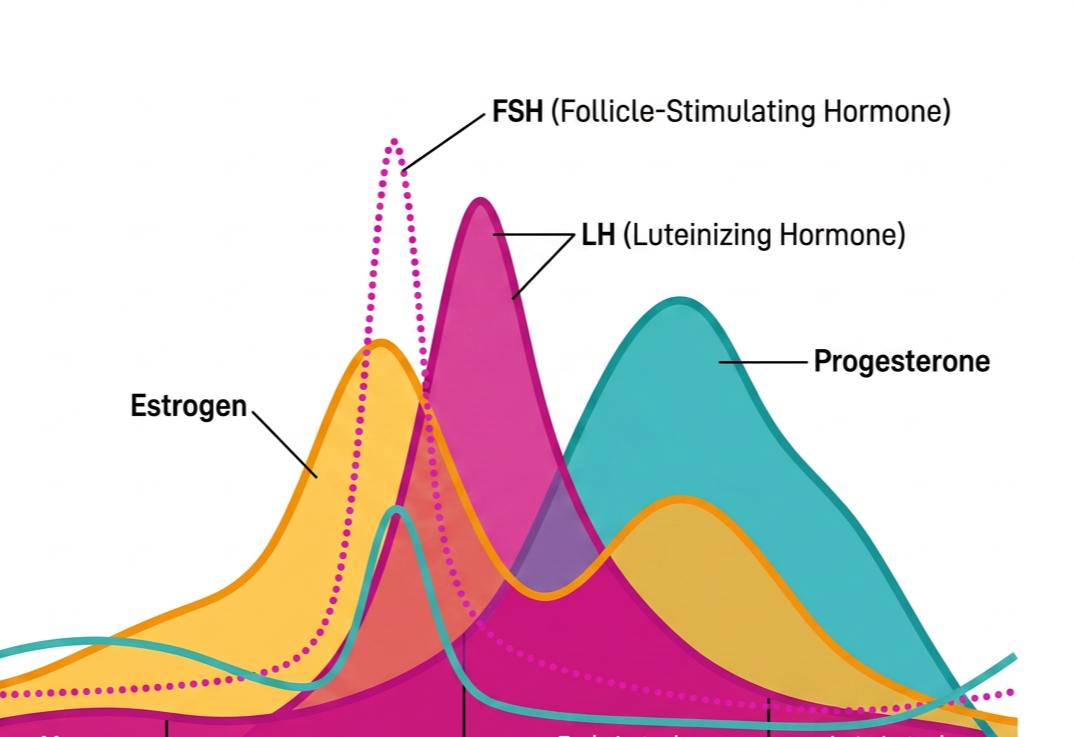
FSH (follicle-stimulating hormone) helps stimulate the development of ovarian follicles at the beginning of the cycle.
Estrogen, produced primarily by the developing follicle, rises as the follicle matures and helps prepare the uterine lining.
When estrogen reaches a sufficiently high level, it contributes to the LH surge, which triggers ovulation.
LH (luteinizing hormone) plays a key role in triggering ovulation and supporting the formation of the corpus luteum.
Progesterone, produced by the corpus luteum after ovulation, helps prepare and stabilize the uterine lining during the luteal phase.
Together, these hormones create a coordinated pattern throughout the menstrual cycle.
Your Cycle Has Its Own Pattern
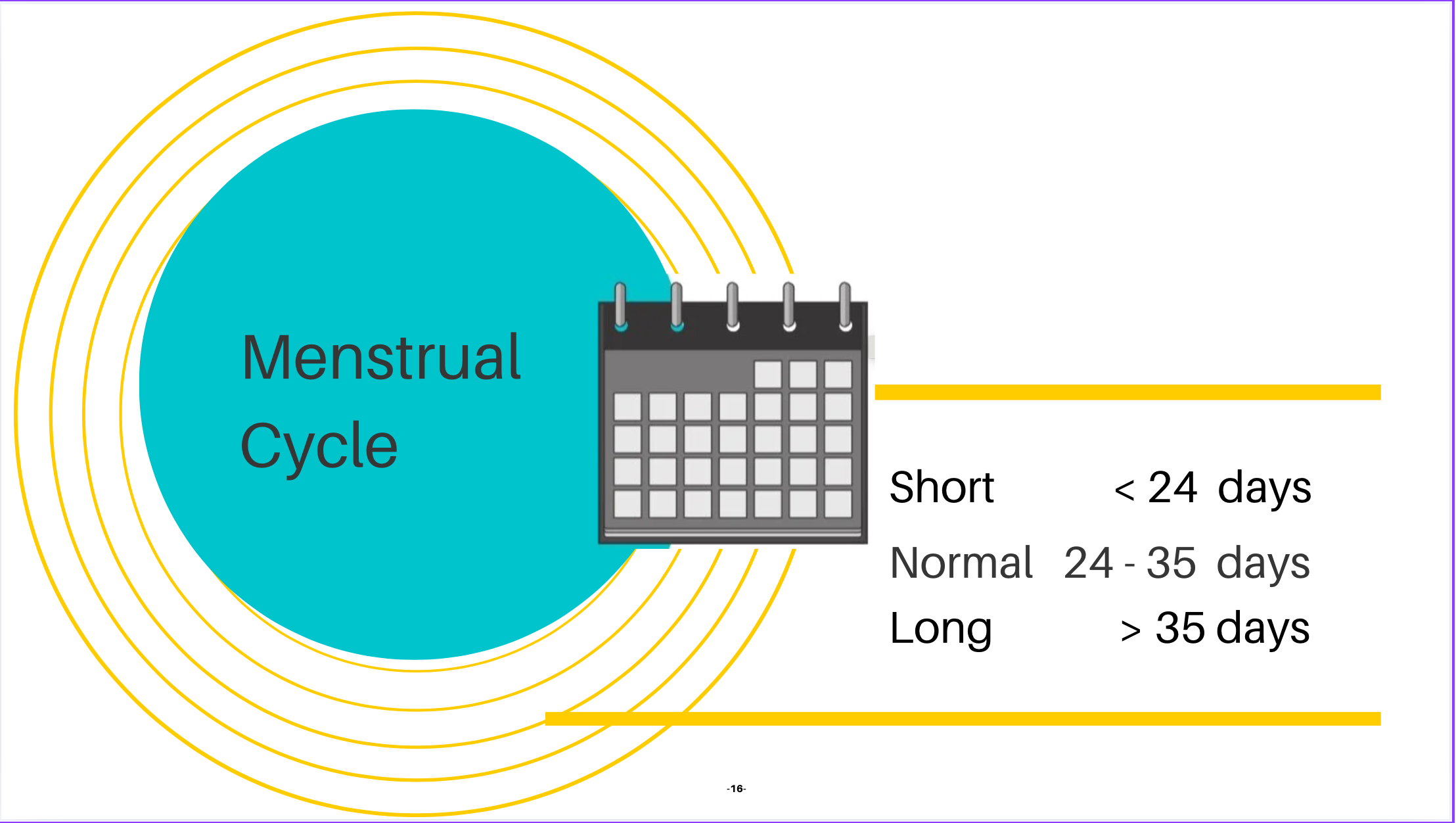
Once ovulatory cycles become established, a woman generally develops her own recognizable and relatively consistent cycle pattern.
The length of the cycle can differ from woman to woman, and small differences from one cycle to another can occur. However, persistent or significant changes in cycle length or pattern should not simply be dismissed as normal variation.
Learning to recognize your own cycle pattern can provide valuable information about what is happening within your reproductive system.
4 Phases of the Menstrual Cycle
The menstrual cycle follows a sequence of four phases: menstruation, the follicular phase, ovulation, and the luteal phase.
Each phase is associated with characteristic hormonal and physiological changes. Fertility awareness teaches women to observe natural biomarkers that provide information about these changes and help identify the fertile and infertile times of their own cycle.
1. Menstrual Phase
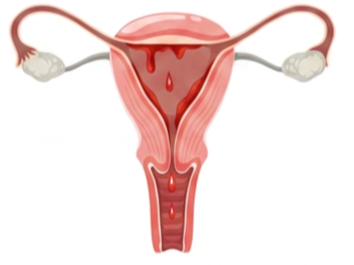
Menstruation marks the beginning of a new cycle, as the lining of the uterus is shed.
2. Follicular Phase
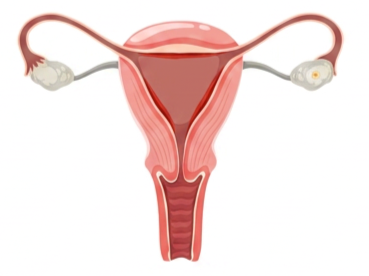
As the reproductive system prepares for ovulation, follicles develop in the ovaries. Each follicle contains an immature egg. One follicle generally becomes dominant and continues toward maturity. The uterine lining begins to rebuild.
3. Ovulatory Phase
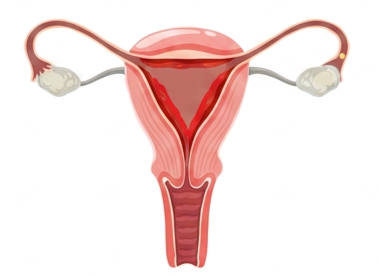
Hormonal changes, particularly the LH surge, lead to the release of an egg from the ovary. Ovulation is the event that makes conception possible. The egg enters the fallopian tube, where fertilization may occur if sperm are present.
4. Luteal Phase
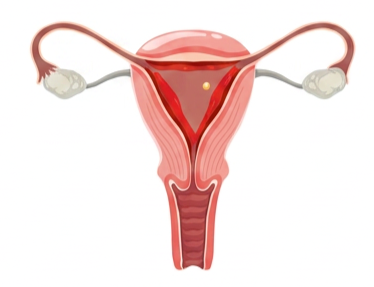
After ovulation, the follicle that released the egg becomes the corpus luteum and produces progesterone. The uterine lining is maintained in preparation for possible implantation. If pregnancy does not occur, the corpus luteum breaks down, hormone levels decline, and menstruation begins again.
“Ovulation is the most important event of the fertile cycle”
“Celebrate womanhood,
and proclaim an honest, generous, and healthier world”